
In 2026, it won’t be as easy to buy a new smartphone in Ethiopia as it used to be to just pick a brand and pay the bill. Ethio Telecom and Safaricom are quickly expanding 5G; digital banking is becoming more popular; and exchange rates are always changing. Because of this, you need to do a little more “homework” before making your decision.
This guide will help you avoid scams and make a smart investment whether you’re going into a small store in Mobile Tera or a high-end boutique in Bole. Before you swipe your card or send those birr, here is everything you need to know.
1. Is it ready for 5G?
The biggest change in 2026 is that 5G will be available. 4G is now the norm in most Ethiopian towns, but 5G is the next big thing in speed in Addis Ababa and other regional hubs.
-
Look at the bands: Even if a phone’s box says “5G,” that doesn’t mean it will work with networks in your area. Ask the seller if the phone can work with the bands that Safaricom Ethiopia and Ethio Telecom use.
-
The “Global Version” Rule: Always ask for a “Global Version” or “International Version.” Some phones that are brought into the country (like some Chinese domestic models) may not work well on all network frequencies. This can cause calls to drop or data to be slow in places like Kaliti or Akaki.
2. Don’t Believe the “Megapixel Myth”
In Ethiopian mobile shops, you might hear sellers yelling about “108 Megapixels” or “200 Megapixels.” Don’t let these numbers fool you.
-
Quality over quantity: A 50MP camera on a Samsung or iPhone often takes better pictures than a 200MP camera on a cheap phone. This is because of the lens quality and the image signal processor (ISP).
-
Video Stabilization: If you make videos, make sure the phone has OIS (Optical Image Stabilization). This keeps your videos from looking “shaky” when you walk and film in the busy streets of Merkato.
3. Storage: 128GB is the New Minimum
In 2026, apps have become larger, and high-quality photos take up significant space.
-
Say No to 64GB: Unless you are buying a very basic phone for an elderly relative who only uses it for calls, avoid 64GB models. System files now take up nearly 20GB on their own.
-
MicroSD Slots: Be careful—many modern mid-range and flagship phones (like the newer Samsung A-series and iPhones) have removed the SD card slot. If you can’t expand the storage later, you must buy the right size today.
4. Battery and Charging: Beyond the mAh
Ethiopians are “power users.” We use our phones for everything from Telebirr payments to watching long YouTube dramas.
-
The 5,000mAh Standard: Most phones in 2026 come with a 5,000mAh battery. However, check the charging speed (watts).
-
The Charger Dilemma: In 2026, many brands (Samsung, Apple, and even some Xiaomi models) no longer include a charger head in the box. You may need to budget an extra 1,500 – 3,000 ETB for an original fast charger. Buying a “copy” charger can damage your battery or, worse, cause a fire.
5. How to Spot a Fake (Original vs. Clone)
Counterfeit phones remain a challenge in the Ethiopian market. A fake iPhone might look identical to the original on the outside, but the software will be slow and the camera will be poor.
-
The IMEI Check: Dial it
*#06#on the phone. Take that number and enter it into an IMEI verification website (like imei.info). If the website says “iPhone 13” but you are holding a “Samsung S24,” it is a fake. -
Verify Software: Go to Settings -> About Phone. Look at the RAM and processor. Check if the “Build Number” looks official.
-
Weight and Build: Original phones use premium glass and metals. Fakes often feel “plasticky” and suspiciously light.
6. Resale Value and Repairability
In Ethiopia, a phone is an asset. You might want to sell it in two years to upgrade.
-
iPhones and Samsungs hold their value the best in the local market. You can usually sell a used iPhone 13 for a good price even years later.
-
Parts Availability: If you crack your screen on a rare brand (like a Google Pixel or a specific Sony model), you might find it impossible to get a replacement screen in Addis. Stick to brands that have plenty of spare parts available in shops like Megenagna Mobile Center.
7. The Budget Reality: New vs. Used
With the current cost of living, not everyone can afford a brand-new flagship.
-
Used “Flagship” vs. New “Budget”: Sometimes, buying a used iPhone 12 or 13 is better than buying a brand-new, low-end budget phone. The used flagship will still have a better camera and a faster processor.
-
Beware of “Refurbished”: Many phones sold as “new” in Ethiopia are actually “refurbished” (used phones with new shells). Always check the battery health and screen for any signs of previous repair.
Final Checklist Before You Pay
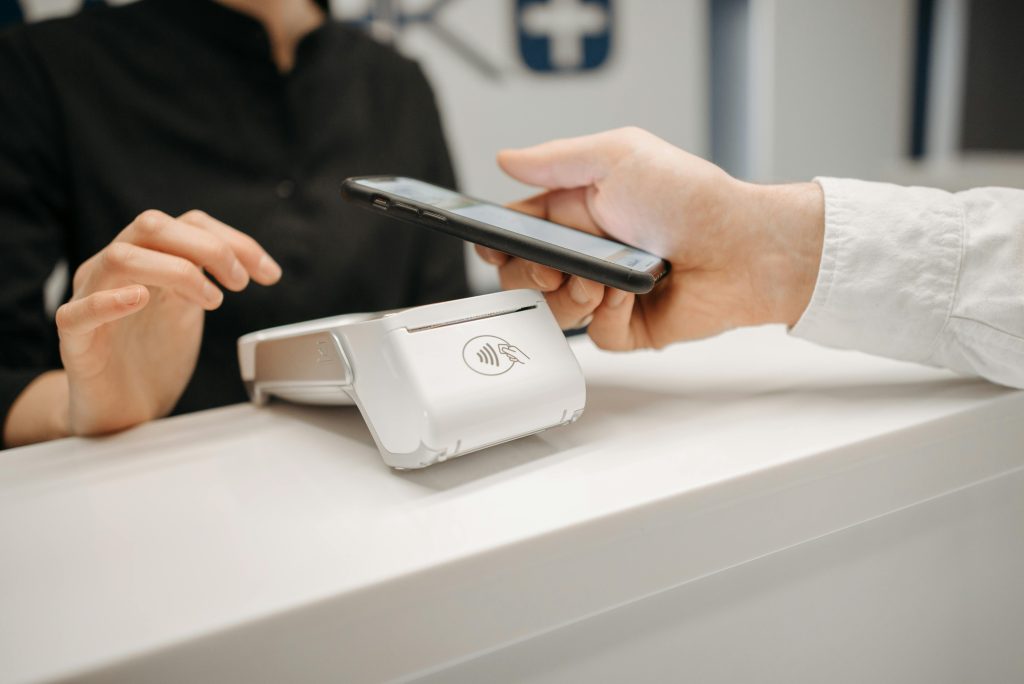
Before you transfer the money via Telebirr or CBE Birr, do these three things:
-
Test the Camera: Open the camera app, take a photo, and zoom in. Check the focus.
-
Check the Screen: Look for “dead pixels” or yellowing at the edges.
-
Confirm the Warranty: Ask for a written receipt that includes the IMEI number and the warranty period (even if it’s just 1 month).
Pro-Tip: If the price seems too good to be true (like an iPhone 16 for 30,000 ETB), it is almost certainly a scam or a high-quality clone. Stay safe!