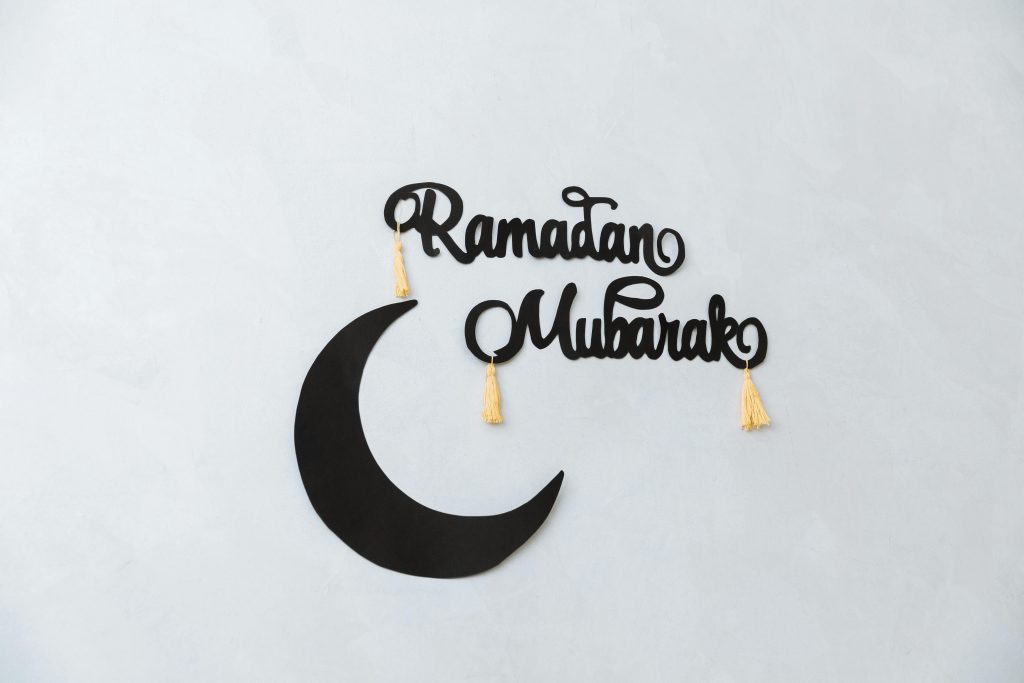

As the lunar calendar turns, the global Muslim community prepares for its most sacred month. In Ethiopia—a land with deep historical ties to Islam dating back to the first Hijra—Ramadan is not just a religious obligation; it is a profound cultural phenomenon. In this guide, we explore everything you need to know about Ramadan 2026 in Ethiopia, from expected dates to unique local traditions and spiritual preparation.
1. When Does Ramadan 2026 Begin in Ethiopia?
The timing of Ramadan is determined by the sighting of the new crescent moon (Hilal). For the year 2026 (Hijri year 1447), the holy month is expected to begin on or around:
-
Estimated Start Date: Monday, February 16, or Tuesday, February 17, 2026.
-
Eid al-Fitr: Expected around Wednesday, March 18, 2026.
In Ethiopia, the Ethiopian Islamic Affairs Supreme Council officially announces the start of the fast after the moon is sighted. Because Ethiopia follows its own 13-month calendar (the Ge’ez calendar) for civil matters, the intersection of the Gregorian 2026 and the Islamic Hijri 1447 creates a unique scheduling dynamic for local businesses and schools.
2. The Significance of Ramadan in the Ethiopian Context
Ethiopia holds a special place in Islamic history. Known as the land of “Al-Habasha,” it provided refuge to the early companions of the Prophet Muhammad (PBUH). This deep-rooted history makes Ramadan in Ethiopia feel different from anywhere else in the world.
It is a time when the pulse of cities like Addis Ababa, Harar, Jimma, and Dessie slows down during the day and electrifies at night. It is a month of Sabrii (patience), Ibadah (worship), and Sadaqah (charity).
3. Unique Ethiopian Ramadan Traditions
The “Iftar” Table: A Fusion of Flavors
Ethiopian Iftar (the meal to break the fast) is a beautiful blend of religious tradition and local cuisine.
-
Dates and Water: As per the Sunnah, the fast is broken first with dates.
-
Soup (Shurba): A hearty oat or vegetable soup is a staple in almost every household.
-
Sambusa: Similar to the Samosa, these fried pastries filled with lentils or meat are the “stars” of the table.
-
The Coffee Ceremony (Buna): No Ethiopian evening is complete without the traditional coffee ceremony. After Maghrib prayers, the smell of frankincense and roasted coffee fills the air, signaling a time for family bonding.
The Spirit of “Jama’a”
During Ramadan, mosques like the Grand Anwar Mosque in Addis Ababa or the historic mosques of Harar Jugol become hubs of activity. The Tarawih prayers (night prayers) see massive turnouts, with streets often being closed to accommodate the thousands of worshippers.
4. Preparing for Ramadan 2026: A Checklist
To make the most of this month, preparation should start weeks in advance. Here is how you can get ready:
Spiritual Preparation
-
Setting Intentions (Niyyah): Reflect on what you want to achieve. Is it finishing the Quran? Improving your character? Or being more consistent in prayer?
-
Pre-Ramadan Fasting: Following the practice of the Prophet (PBUH), fasting during the month of Sha’ban helps the body adjust to the upcoming 30-day fast.
Financial and Physical Preparation
-
Budgeting for Food: Prices of staples like oil, flour, and sugar often fluctuate during this month. In Ethiopia, “Ramadan Markets” often pop up, offering discounted goods.
-
Meal Prepping: To save time for worship, many families prepare sambusa fillings and spice blends (like Berbere or Mitmita) weeks before the moon is sighted.
5. The Economic Impact of Ramadan in Ethiopia
Ramadan is a peak season for the Ethiopian economy, particularly in the retail and food sectors.
-
Increased Consumer Spending: Despite the fast, food consumption patterns shift toward high-quality ingredients and communal meals.
-
Charity (Zakat and Sadaqah): This is the month of giving. Thousands of “Iftar Tents” are set up across Ethiopia to feed the needy, funded by local businessmen and community contributions.
-
Clothing Industry: As Eid al-Fitr approaches, the demand for traditional Ethiopian clothes (like the Habesha Kemis for women or white Kamis for men) skyrockets.
6. Challenges and Tips for Fasting in 2026
Fasting in February in Ethiopia usually means dealing with the dry season. Depending on your location (the heat of Dire Dawa vs. the cool highlands of Addis), here are some tips:
-
Hydration is Key: Drink plenty of water between Iftar and Suhoor. Avoid sugary sodas that can lead to dehydration.
-
Suhoor (The Pre-Dawn Meal): Never skip Suhoor. Focus on “slow-release” carbohydrates like Genfo, Bulla, or oats to keep your energy levels stable throughout the day.
-
Work-Life Balance: If you are an employer in Ethiopia, consider allowing flexible hours for your fasting employees, as energy levels naturally dip in the mid-afternoon.
7. Ramadan for the Digital Generation
In 2026, content creation around Ramadan will be bigger than ever. Expect to see:
-
TikTok Cooking Tutorials: “Quick Iftar” recipes in Amharic and Oromiffa.
-
Religious Podcasts: Scholars sharing daily reminders via Telegram and YouTube.
-
Virtual Charity Drives: Using Telebirr and other digital wallets to collect Sadaqah for orphans and the elderly.
Conclusion: A Month of Renewal
Ramadan 2026 in Ethiopia promises to be a time of spiritual rejuvenation and community strength. It is a month that tests our discipline but rewards our souls. As we approach February 2026, let us prepare our hearts to be more generous, our tongues to be more kind, and our spirits to be more connected to the Creator.
Ramadan Kareem to all Ethiopians at home and in the diaspora!